Introduction to Vehicle Terminology
Understanding vehicle terminology is important for making smart choices when buying a vehicle. Two popular types in the automotive market are SUVs (Sport Utility Vehicles) and MPVs (Multi-Purpose Vehicles). While both serve different purposes, they meet various consumer needs and preferences.
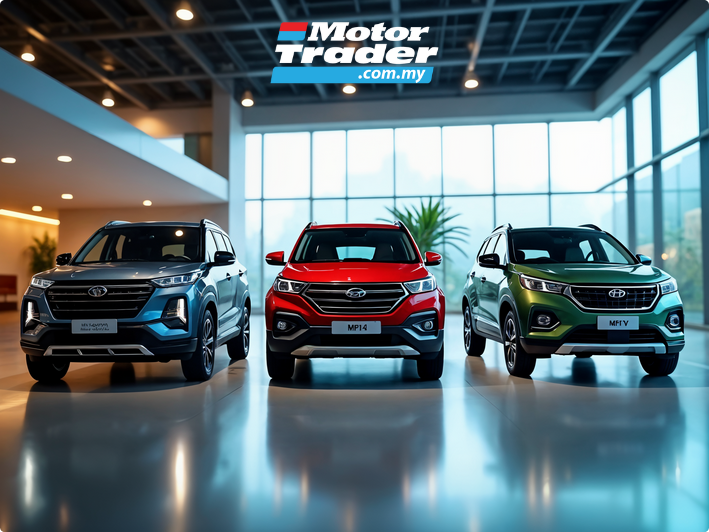
SUVs are built for versatility, mixing the practicality of a car with the toughness of a truck. They have higher ground clearance, off-road capabilities, and a strong design, making them suitable for both city driving and adventurous terrains. Many SUVs come with all-wheel drive (AWD) or four-wheel drive (4WD), improving their performance in tough weather like snow and rain. This makes them a popular choice for families who enjoy outdoor activities or need a vehicle that can handle different terrains. According to a detailed overview of SUVs, they offer plenty of space, safety features, and a great view of the road, which is especially helpful for larger families or those who often transport groups of people (Kelley Blue Book).
On the other hand, MPVs, often called minivans, focus on passenger comfort and space. They usually have flexible seating arrangements that can fit larger families or groups, making them perfect for city commuting and family outings. MPVs are generally more affordable than SUVs of the same size, which can be a big factor for budget-conscious buyers. Their design maximizes interior space, allowing for easy access and comfort during long drives. As noted in the article on the advantages and disadvantages of owning an SUV, while SUVs provide generous seating and cargo space, MPVs excel in passenger comfort and ease of use (Fasrvc).
When comparing SUVs vs. MPVs, it’s important to think about your lifestyle and specific needs. If you value off-road capabilities, a commanding driving position, and a vehicle that can handle various terrains, an SUV may be the right choice for you. On the other hand, if your main concern is passenger comfort, space, and affordability, an MPV could be a better fit. Ultimately, understanding the differences between these vehicle types will help you make a smart decision that matches your needs and preferences. For more insights on the pros and cons of SUVs, check out the detailed analysis in the article titled Is Buying an SUV Worth It – Pros and Cons.
In conclusion, both SUVs and MPVs have their unique advantages and disadvantages. By evaluating your needs and preferences, you can choose the vehicle that best fits your lifestyle.
SUV (Sport Utility Vehicle): The All-Rounder
Sport Utility Vehicles (SUVs) have become very popular in recent years, often seen as the all-rounders of the automotive world. Their unique mix of space, versatility, and ruggedness makes them a preferred choice for many buyers. Unlike Multi-Purpose Vehicles (MPVs), which focus on passenger comfort and space, SUVs are built to handle both on-road and off-road driving, making them suitable for a variety of terrains. This capability is largely due to their higher ground clearance and strong build, which allows them to navigate tough conditions easily. According to a study on SUVs vs. Minivans, SUVs often come with four-wheel drive options, enhancing their off-road capabilities and making them perfect for adventurous outings.
One of the biggest advantages of owning an SUV is the ample space it provides. Whether you have a large family, frequently transport friends, or just enjoy having extra room for groceries and gear, an SUV offers generous seating and cargo space. This spaciousness is especially beneficial for long drives, as it allows for a more comfortable experience, particularly for taller passengers. The elevated seating position in SUVs also gives a commanding view of the road, which can improve safety by enhancing visibility and allowing drivers to better anticipate road conditions. As noted in the article on the advantages and disadvantages of owning an SUV, this higher vantage point is a key reason many drivers prefer SUVs over smaller vehicles.
However, potential buyers should also think about the downsides of SUVs. One common complaint is their fuel efficiency. Due to their larger size and powerful engines, SUVs usually consume more fuel than smaller cars, leading to higher fuel costs over time. This is especially relevant for those who drive long distances regularly. Additionally, the purchase and maintenance costs of SUVs can be higher compared to MPVs, which are generally more affordable. The comprehensive overview of SUVs highlights these factors, emphasizing the importance of evaluating personal needs and lifestyle when deciding on an SUV purchase.
In conclusion, while SUVs offer many benefits, including versatility, space, and safety, they may not be the best choice for everyone. Understanding the differences between SUVs and MPVs can help consumers make informed decisions based on their specific requirements. Whether you prioritize off-road capabilities or passenger comfort, knowing the strengths and weaknesses of each vehicle type is crucial in finding the right fit for your lifestyle.
MPV (Multi-Purpose Vehicle): The Family Hauler
When considering family vehicles, the choice between an SUV (Sport Utility Vehicle) and an MPV (Multi-Purpose Vehicle) often comes up. Both vehicle types cater to different needs, making it essential to understand their unique features and benefits. MPVs, commonly known as minivans, focus on passenger comfort and space, making them ideal for families. They usually offer flexible seating arrangements, allowing for easy adjustments to fit larger families or groups. This flexibility is a significant advantage for parents who need to transport children, their friends, and all the gear that comes with family outings.
In contrast, SUVs are built for versatility, combining the practicality of a car with the ruggedness of a truck. They feature higher ground clearance and often come with all-wheel drive or four-wheel drive options, making them suitable for both city commuting and off-road adventures. According to a study on SUV vs Minivan, SUVs are favored for their spacious interiors and perceived safety due to their size and elevated driving position. This commanding view of the road can enhance driving confidence, especially in challenging conditions.
However, the choice between an SUV and an MPV also involves considering factors like fuel efficiency and cost. Generally, MPVs are more affordable than SUVs of the same size, making them a budget-friendly option for families. Additionally, MPVs tend to have better fuel efficiency compared to their SUV counterparts, which can lead to significant savings over time. As highlighted in the article from FasRVC, while SUVs offer ample space and versatility, they often come with higher purchase and maintenance costs, as well as lower fuel efficiency.
Ultimately, the decision between an SUV and an MPV should be based on individual family needs. If your lifestyle includes frequent road trips, outdoor adventures, or a need for a commanding driving position, an SUV may be the better choice. Conversely, if your main concern is passenger comfort, space, and budget, an MPV could be the ideal family hauler. For more insights on the pros and cons of owning an SUV, check out the comprehensive overview provided in the article from Autoworks. Understanding these differences will help you make an informed decision that best suits your family’s lifestyle.
MUV (Multi-Utility Vehicle): The Versatile Workhorse
In the automotive landscape, the distinction between SUVs (Sport Utility Vehicles) and MPVs (Multi-Purpose Vehicles) is crucial for consumers seeking the right vehicle for their needs. MUVs, or Multi-Utility Vehicles, emerge as a versatile option that combines the best features of both SUVs and MPVs, catering to a wide range of requirements.
MUVs are designed to offer flexibility in both passenger and cargo transport, making them ideal for families, adventurers, and professionals alike. Unlike traditional SUVs, which are often characterized by their rugged design and off-road capabilities, MUVs prioritize adaptability. They provide ample space for passengers while also accommodating various cargo needs. This makes them particularly appealing for those who require a vehicle that can transition seamlessly from daily commutes to weekend getaways.
One of the standout features of MUVs is their ability to blend the spacious interiors typical of MPVs with the robust performance associated with SUVs. For instance, many MUVs come equipped with flexible seating arrangements, allowing for easy reconfiguration based on the number of passengers or the amount of cargo. This adaptability is a significant advantage for families who may need to transport children, sports equipment, or groceries regularly.
Moreover, MUVs often include features that enhance safety and comfort, such as higher driving positions that provide better visibility, similar to those found in SUVs. This elevated stance not only improves the driving experience but also contributes to a sense of security on the road. According to a comprehensive overview of SUVs, these vehicles are perceived as safer due to their size and elevated driving position, which can help in avoiding accidents (source).
However, potential buyers should also consider the trade-offs. While MUVs offer versatility, they may not always match the fuel efficiency of smaller vehicles. As noted in a study on SUV advantages, larger vehicles typically consume more fuel, which can lead to higher costs over time. Therefore, it’s essential for consumers to evaluate their lifestyle and driving habits when considering an MUV.
In conclusion, MUVs represent a compelling choice for those seeking a vehicle that can handle diverse tasks, from family outings to transporting goods. By understanding the differences between SUVs, MPVs, and MUVs, consumers can make informed decisions that align with their needs. For more insights on choosing the right vehicle, check out this guide on SUVs vs. Minivans. Whether you prioritize space, versatility, or performance, MUVs stand out as a practical solution in today’s automotive market.
SUV vs MPV vs MUV: A Comprehensive Comparison
In the automotive market, the choice between SUVs (Sport Utility Vehicles), MPVs (Multi-Purpose Vehicles), and MUVs (Multi-Utility Vehicles) can significantly impact your driving experience and lifestyle. Understanding the distinctions among these vehicle types is crucial for making an informed decision that aligns with your needs.
SUVs: Versatile and Rugged
SUVs are designed for both on-road and off-road driving, characterized by their higher ground clearance and robust build. They often come equipped with four-wheel drive options, making them suitable for various terrains, from city streets to rugged trails. One of the primary advantages of owning an SUV is the ample space it provides. Whether you have a large family or need extra room for gear, an SUV delivers generous seating and cargo capacity. Additionally, the elevated driving position offers a commanding view of the road, enhancing visibility and safety. According to a comprehensive overview of SUVs, these vehicles are perceived as safer than smaller cars due to their size and higher driving position, which can help in avoiding accidents.
However, potential buyers should consider the drawbacks of SUVs, such as lower fuel efficiency and higher purchase and maintenance costs. Many SUVs consume more fuel than smaller vehicles, which can lead to increased expenses over time, especially for those who drive long distances regularly. This aspect is highlighted in the article, Is Buying an SUV Worth It – Pros and Cons.
MPVs: Family-Oriented Comfort
In contrast, MPVs prioritize passenger comfort and space, often featuring flexible seating arrangements that can accommodate larger families or groups. They are ideal for urban commuting and family outings, providing a more affordable option compared to SUVs of similar size. As noted in the article, SUV or Minivan: Which Should You Choose?, MPVs are designed with family use in mind, making them a popular choice for those who value comfort and practicality over ruggedness.
MUVs: The Best of Both Worlds
MUVs blend features of both SUVs and MPVs, offering versatility for transporting both passengers and cargo. They cater to a wide range of needs, making them popular among consumers looking for multifunctional vehicles. MUVs are designed to handle various terrains while providing ample space for passengers, making them a practical choice for families and adventurers alike.
Conclusion
Ultimately, the decision between SUV vs MPV vs MUV depends on your specific needs and lifestyle. If you prioritize off-road capabilities and a commanding view of the road, an SUV may be the right choice. For those focused on family comfort and urban commuting, an MPV could be more suitable. Meanwhile, MUVs offer a versatile solution for those who need both passenger and cargo space. By understanding the unique features and benefits of each vehicle type, you can make a more informed choice that enhances your driving experience.
How to Choose the Right Vehicle for Your Needs
Choosing the right vehicle is a significant decision that can impact your lifestyle, budget, and overall satisfaction. When considering options, many consumers find themselves weighing the benefits of SUVs (Sport Utility Vehicles) against MPVs (Multi-Purpose Vehicles). Understanding the distinct characteristics of these vehicle types is crucial for making an informed choice that aligns with your needs.
SUVs are designed for versatility, offering a blend of on-road comfort and off-road capability. They typically feature higher ground clearance, robust builds, and options for all-wheel or four-wheel drive, making them suitable for various terrains and weather conditions. According to a comprehensive overview from Kelley Blue Book, SUVs are favored for their spacious interiors, which provide ample room for passengers and cargo. This makes them an excellent choice for families or individuals who frequently transport larger items or groups. Additionally, the elevated driving position of SUVs offers better visibility, enhancing safety on the road.
However, potential buyers should also consider the drawbacks of SUVs. They often come with higher purchase and maintenance costs compared to MPVs, and their fuel efficiency tends to be lower due to their size and weight. As highlighted in the article from Fasrvc, these factors can lead to increased long-term expenses, especially for those who drive frequently or over long distances.
On the other hand, MPVs prioritize passenger comfort and space, making them ideal for family use. They often feature flexible seating arrangements that can accommodate larger families or groups, as noted in the Kelley Blue Book article. MPVs are generally more affordable than SUVs of the same size, making them a budget-friendly option for those who need a vehicle primarily for urban commuting and family outings.
When deciding between an SUV and an MPV, consider your lifestyle and specific needs. If you value off-road capabilities, a commanding view of the road, and spacious interiors, an SUV may be the right choice for you. Conversely, if you prioritize passenger comfort, affordability, and efficient urban driving, an MPV could be more suitable. Ultimately, understanding the advantages and disadvantages of each vehicle type will help you make a choice that best fits your requirements. For more insights, check out the detailed analysis in the Autoworks article.
Future Trends in SUVs, MPVs, and MUVs
In recent years, the automotive landscape has seen a significant shift in consumer preferences, particularly regarding SUVs (Sport Utility Vehicles), MPVs (Multi-Purpose Vehicles), and MUVs (Multi-Utility Vehicles). Understanding the future trends in these vehicle categories is essential for potential buyers looking to make informed decisions based on their lifestyle and needs.
SUVs: The Versatile Powerhouses
SUVs have gained immense popularity due to their blend of space, power,
and versatility. They are designed for both on-road and off-road
driving, featuring higher ground clearance and robust builds. Many
models come equipped with all-wheel drive (AWD) or four-wheel drive
(4WD), making them suitable for various terrains, including challenging
weather conditions like snow and rain. According to a comprehensive
overview from Kelley Blue Book,
SUVs are particularly favored for family use and outdoor activities,
offering ample cargo space and towing capabilities. However, potential
buyers should also consider the drawbacks, such as lower fuel efficiency
and higher purchase and maintenance costs, as highlighted in the
article from Fasrvc.
MPVs: Comfort and Space for Families
On the other hand, MPVs prioritize passenger comfort and space, often
featuring flexible seating arrangements that can accommodate larger
families or groups. They are ideal for urban commuting and family
outings, providing a more affordable option compared to SUVs of similar
size. The focus on passenger comfort makes MPVs a popular choice for
those who value spacious interiors and ease of access. As noted in the Kelley Blue Book, understanding the differences between SUVs and MPVs can help consumers make informed decisions based on their specific needs.
MUVs: The Best of Both Worlds
MUVs combine the features of both SUVs and MPVs, offering versatility
for transporting both passengers and cargo. This makes them particularly
appealing to consumers looking for multifunctional vehicles. MUVs are
designed to cater to a wide range of needs, making them a practical
choice for families and individuals alike. The growing trend towards
MUVs reflects a shift in consumer preferences towards vehicles that can
adapt to various lifestyles and requirements.
Conclusion
As the automotive market continues to evolve, understanding the
distinctions between SUVs, MPVs, and MUVs will be crucial for consumers.
Each vehicle type offers unique advantages and disadvantages, making it
essential to evaluate personal needs and lifestyle when making a
choice. For more insights on the pros and cons of owning an SUV, check
out the detailed analysis in the article from Autoworks.
By staying informed about these trends, potential buyers can make
choices that best suit their driving habits and family needs.
Conclusion: Making an Informed Decision
Making an informed decision between an SUV and an MPV (Multi-Purpose Vehicle) requires a thorough understanding of your personal needs and lifestyle. Both vehicle types offer unique advantages and disadvantages that cater to different consumer preferences. SUVs are known for their rugged design, higher ground clearance, and off-road capabilities, making them suitable for adventurous terrains and urban environments alike. They often come equipped with features like all-wheel drive or four-wheel drive, enhancing their versatility for various driving conditions. According to a comprehensive overview of SUVs, they provide ample space, safety features, and a commanding view of the road, which many drivers find appealing (Kelley Blue Book).
On the other hand, MPVs prioritize passenger comfort and space, often featuring flexible seating arrangements that can accommodate larger families or groups. They are designed with urban commuting in mind, making them ideal for family outings and daily errands. The focus on comfort and practicality in MPVs can make them a more affordable option compared to SUVs of similar size, as highlighted in the same Kelley Blue Book article.
When considering an SUV, it’s essential to weigh the pros and cons. While they offer generous seating and cargo space, they often come with drawbacks such as lower fuel efficiency and higher purchase and maintenance costs (Fasrvc). For instance, the larger size and powerful engines of SUVs typically lead to increased fuel consumption, which can be a significant factor for those who drive long distances regularly.
Ultimately, the choice between an SUV and an MPV should align with your specific needs. If you value space, safety, and versatility, an SUV may be the right fit. However, if you prioritize passenger comfort and affordability, an MPV could be the better option. Evaluating your lifestyle, budget, and driving habits will help you make an informed decision that best suits your requirements. For more insights on the advantages and disadvantages of owning an SUV, check out the article on Autoworks.
In conclusion, understanding the distinctions between SUVs and MPVs is crucial for making a well-informed choice. By considering factors such as space, comfort, fuel efficiency, and overall cost, you can select the vehicle that best meets your needs and enhances your driving experience.